Why Commercial Building Owners Should Plan Facade Maintenance Before It Becomes Urgent
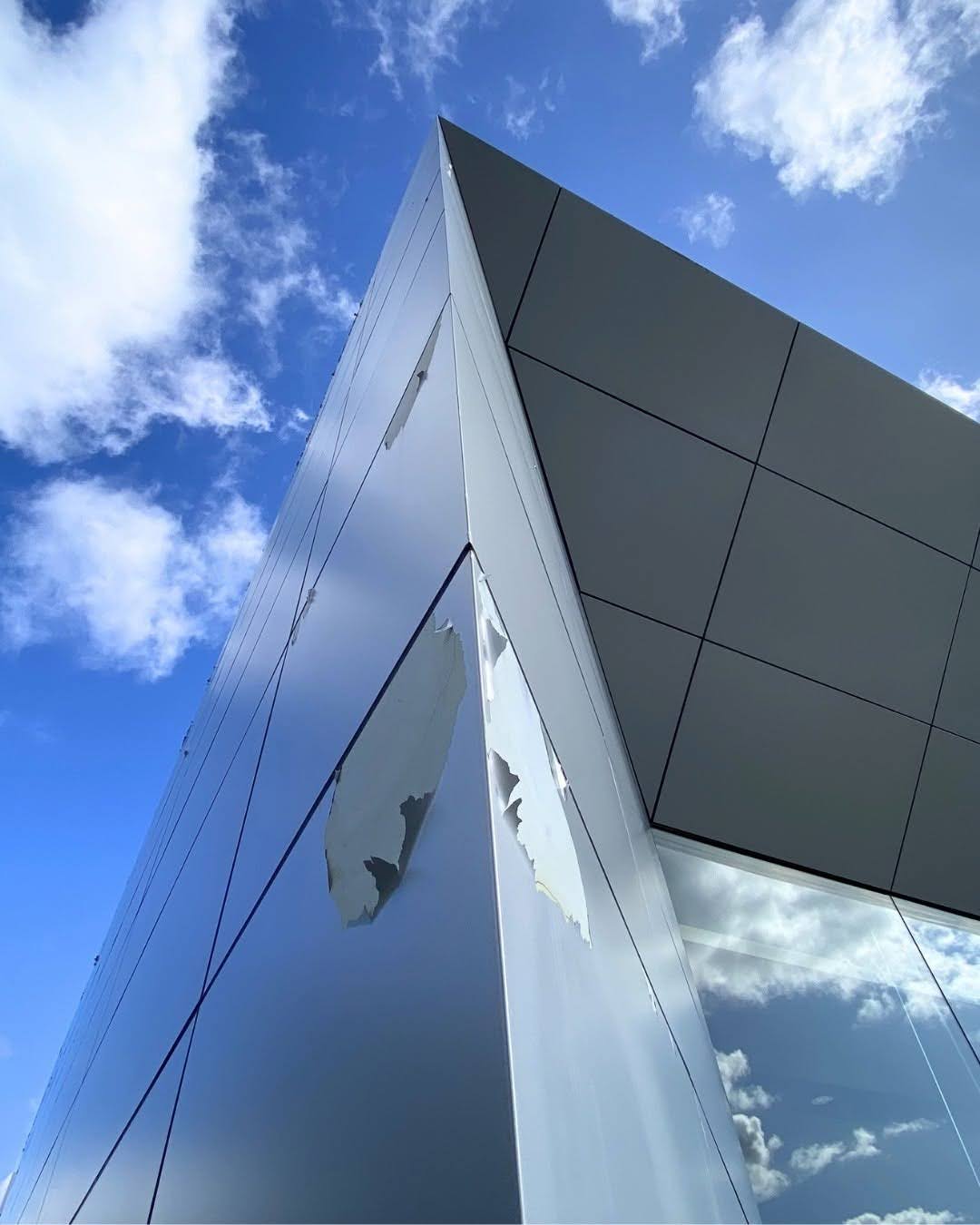
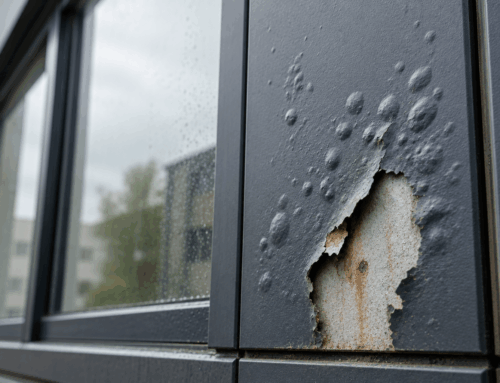
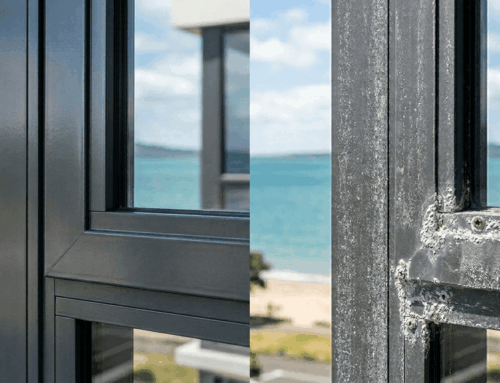
Commercial building facades are exposed to weather, UV radiation, salt air, pollution, moisture and daily wear. Over time, aluminium joinery, powder-coated surfaces, facade panels, window frames and exterior architectural elements can begin to fade, chalk, corrode or lose their original finish.
For many building owners, facade maintenance only becomes a priority once the problem is already visible. By then, the building may look tired, tenants may be raising concerns, or replacement may start to look like the only option.
The better approach is planned facade maintenance.
By inspecting and maintaining exterior surfaces before they reach a critical condition, commercial building owners can reduce long-term costs, protect building value and avoid larger refurbishment issues later.
Why Facade Maintenance Matters
A commercial building’s exterior does more than create a first impression. It protects the structure, supports tenant satisfaction and contributes to the overall value of the property.
When facade surfaces are left without maintenance for too long, small issues can become more expensive to resolve.
Common signs include:
- Faded or chalky powder-coated aluminium
- Peeling, cracking or worn surface coatings
- Corrosion around window frames or facade elements
- Staining caused by water run-off or environmental exposure
- Tired-looking aluminium joinery
- Inconsistent colour across different parts of the building
- Deterioration around high-exposure areas
These issues may start as cosmetic concerns, but they can eventually affect the performance, durability and presentation of the building.
Planned Maintenance vs Reactive Repairs
Many commercial facade issues become more expensive when they are left too long. A planned maintenance approach allows building owners to identify problems early, plan budgets and complete work in stages where required.
| Approach | What It Means | Main Outcome |
|---|---|---|
| Planned facade maintenance | Regular inspections, early repairs and scheduled refinishing | Better cost control and longer surface life |
| Reactive repairs | Waiting until surfaces have visibly failed | Higher risk of urgent work, disruption and larger costs |
Planned maintenance gives owners more control. Reactive repairs often happen under pressure.
1. Early Maintenance Can Reduce Long-Term Costs
One of the biggest reasons to plan facade maintenance early is cost control.
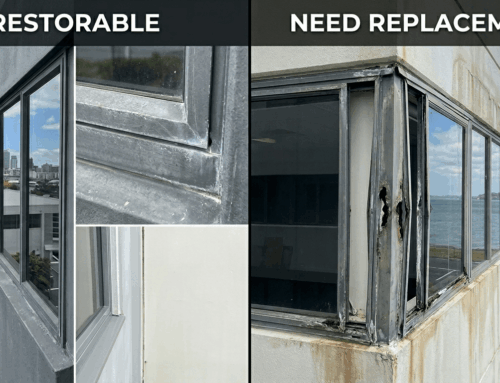
When aluminium joinery, facade panels or powder-coated surfaces are still in a restorable condition, repair and refinishing may be possible. This can help avoid full replacement, which is often more expensive, more disruptive and more wasteful.
Early intervention can help with:
- Extending the life of existing facade surfaces
- Reducing the need for replacement materials
- Avoiding larger repair work later
- Planning budgets across stages
- Keeping the building looking professional
For commercial buildings, even small exterior improvements can make a major difference to presentation.
2. It Helps Protect Building Value
A tired exterior can make a building look older than it really is. This matters for commercial properties, apartment complexes, retail sites and office buildings.
Building owners and managers often focus on internal upgrades, but the facade is one of the first things tenants, customers and visitors notice.
Well-maintained exterior surfaces can support:
- Stronger street appeal
- Better tenant confidence
- Improved first impressions
- A more modern appearance
- Long-term asset protection
Facade maintenance should be seen as part of protecting the value of the property, not just as a cosmetic upgrade.
3. It Reduces Disruption for Tenants and Occupants
Urgent facade repairs can be disruptive. They may require fast access planning, scaffolding, elevated work platforms, tenant communication and changes around building entry points or work areas.
When work is planned early, it is easier to manage the project around building operations.
This can help reduce disruption to:
- Tenants
- Staff
- Customers
- Residents
- Building managers
- Contractors working on-site
Planned projects also allow work to be staged. This is especially important for larger commercial buildings where access, weather and site coordination all need to be considered.
4. It Supports Better Health and Safety Planning
Commercial facade maintenance often involves working at height, managing public access areas, coordinating with other contractors and following site-specific health and safety requirements.
When maintenance is planned in advance, the project can be organised properly from the start.
This includes:
- Reviewing access requirements
- Planning around occupied areas
- Managing site risks
- Coordinating with building managers
- Scheduling work around other trades
- Selecting the right products and application methods
Good planning helps ensure the work is completed safely, professionally and with minimal disruption.
5. It Can Improve Sustainability
Replacing facade elements can create unnecessary waste if the existing surfaces can still be restored.
Refinishing and refurbishing can be a more sustainable option because it helps extend the life of existing building materials.
This can reduce:
- Landfill waste
- New material demand
- Removal and replacement work
- Transport and disposal requirements
- Overall project disruption
For many commercial buildings, refurbishment can offer a practical balance between appearance, performance and sustainability.
When Should Building Owners Start Planning?
The best time to plan facade maintenance is before surfaces reach full failure.
Commercial building owners should consider an inspection if they notice:
- Colour fading
- Chalky residue on aluminium
- Patchy or uneven surface finish
- Corrosion marks
- Coating breakdown
- Water staining
- Tenant complaints about exterior condition
- A dated building appearance
- Previous recoating or repainting work reaching the end of its service life
Even if the building does not need immediate work, an early assessment can help owners understand future maintenance requirements and budget accordingly.
What Areas Should Be Checked?
A facade maintenance review may include:
- Aluminium window frames
- Powder-coated joinery
- Facade panels
- ACP/ACM cladding surfaces
- Door frames
- Flashings
- Mullions and transoms
- Balustrades and exterior metalwork
- High-exposure elevations
- Areas affected by salt air, UV or moisture
Different areas of the same building can age at different speeds depending on sun exposure, wind, rain and environmental conditions.
Why Work With a Specialist?
Commercial facade maintenance requires more than a standard repaint. It involves understanding the condition of the existing surface, preparing it correctly and using the right coating system for the environment and material.
A specialist can help determine whether the surface can be restored, refinished or repaired before replacement is considered.
WRNZ provides commercial remedial, refinishing and refurbishment solutions for aluminium joinery, powder-coated surfaces, ACP/ACM panels and other exterior building elements across Auckland and New Zealand.
Final Thoughts
Facade maintenance should not be left until a building looks tired, damaged or difficult to restore.
By planning early, commercial building owners can protect their property, reduce long-term costs, minimise disruption and extend the life of existing facade surfaces.
A proactive approach gives owners more options, better budget control and a stronger result.
If your building’s aluminium joinery, powder-coated surfaces or facade panels are starting to fade, chalk or show signs of wear, it may be time to arrange a professional assessment before the issue becomes urgent.